Blog
We publish articles in this section daily to increase your knowledge about the gold market and trades
Newest blog
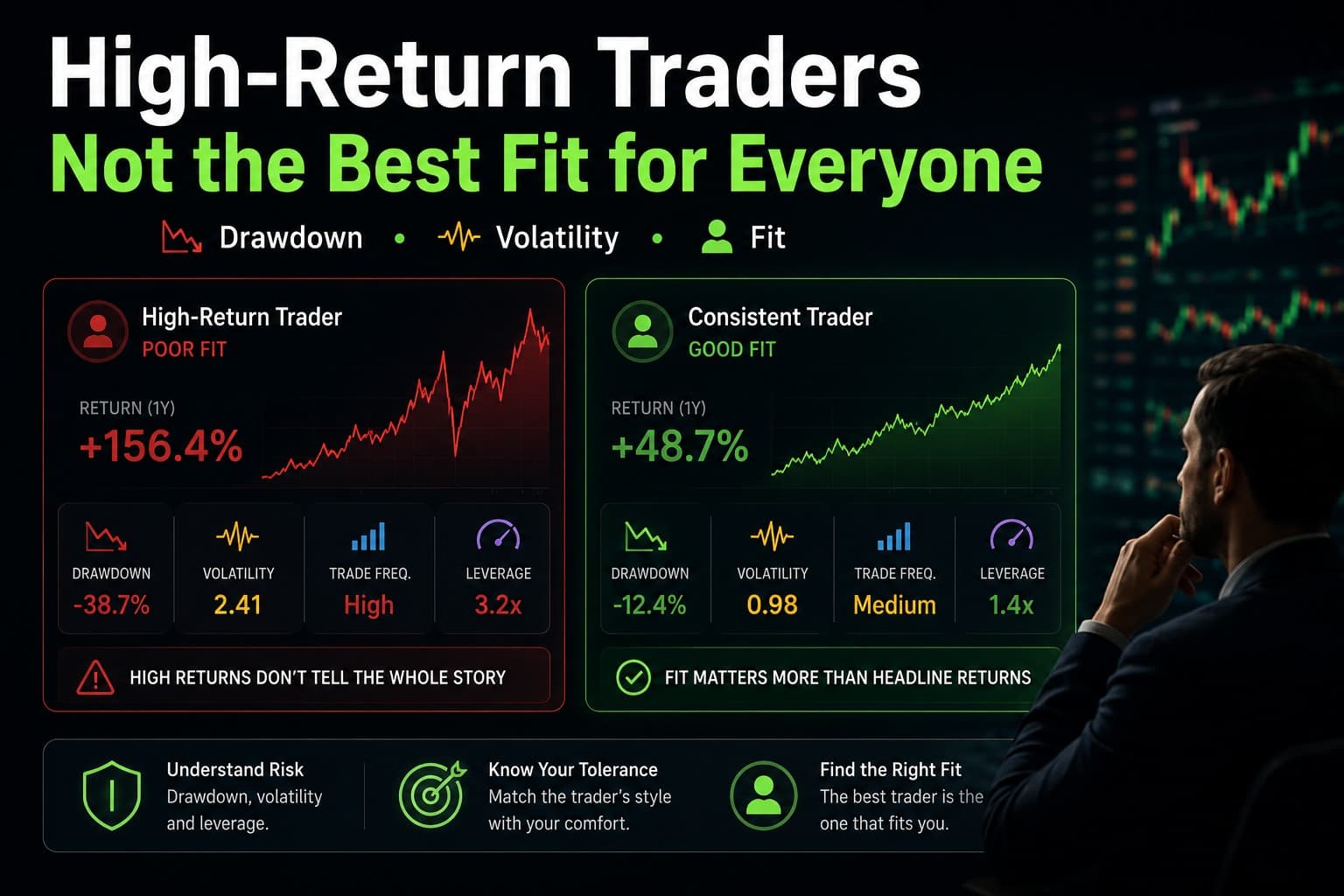
High-return traders can look attractive, but they may carry deep drawdowns, volatility, high trade frequency, leverage, or risk exposure that does not fit every investor.
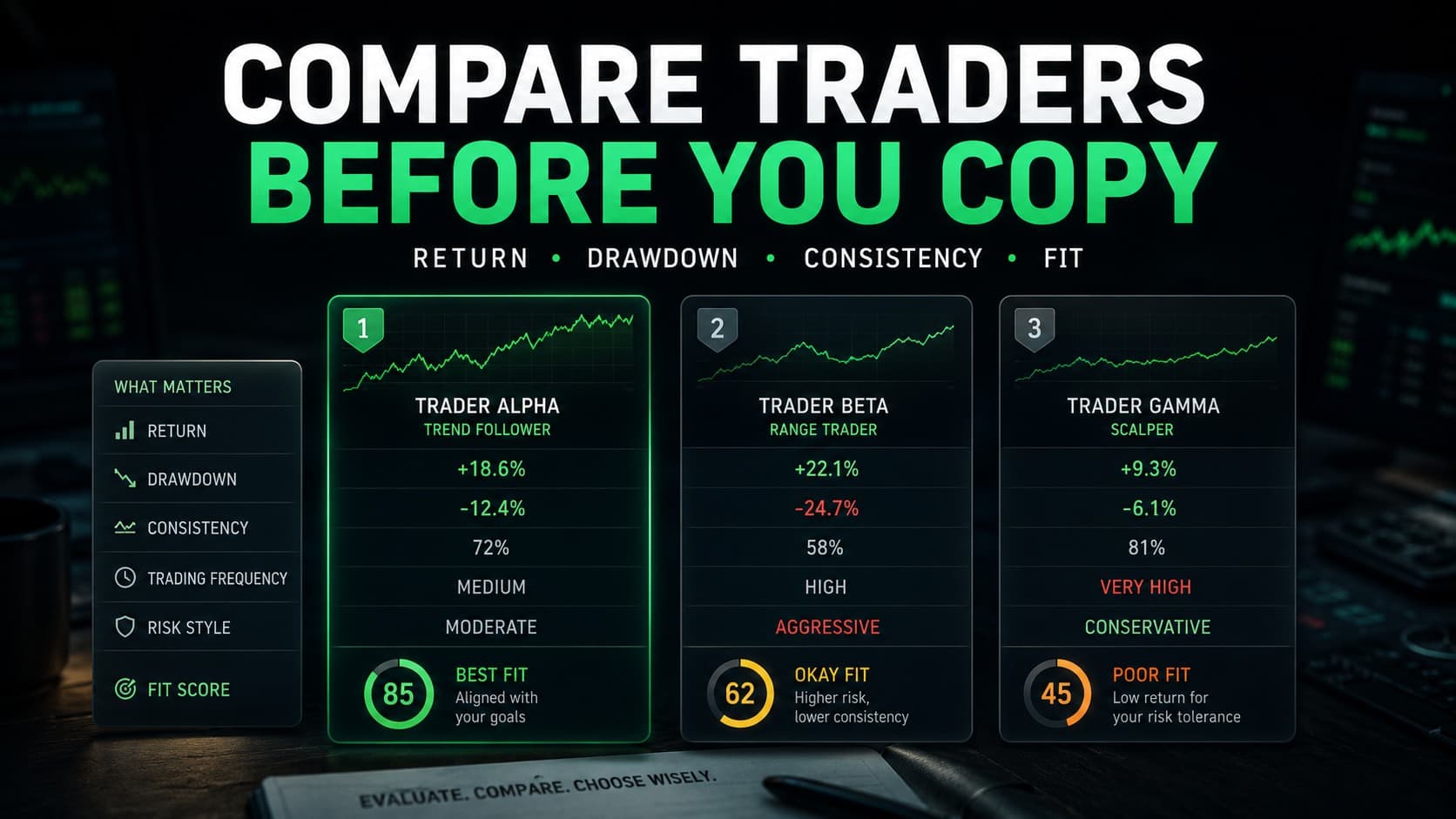
Learn how to compare traders before copying them using return, drawdown, consistency, trading frequency, risk style, recovery behavior, asset focus, and fit.
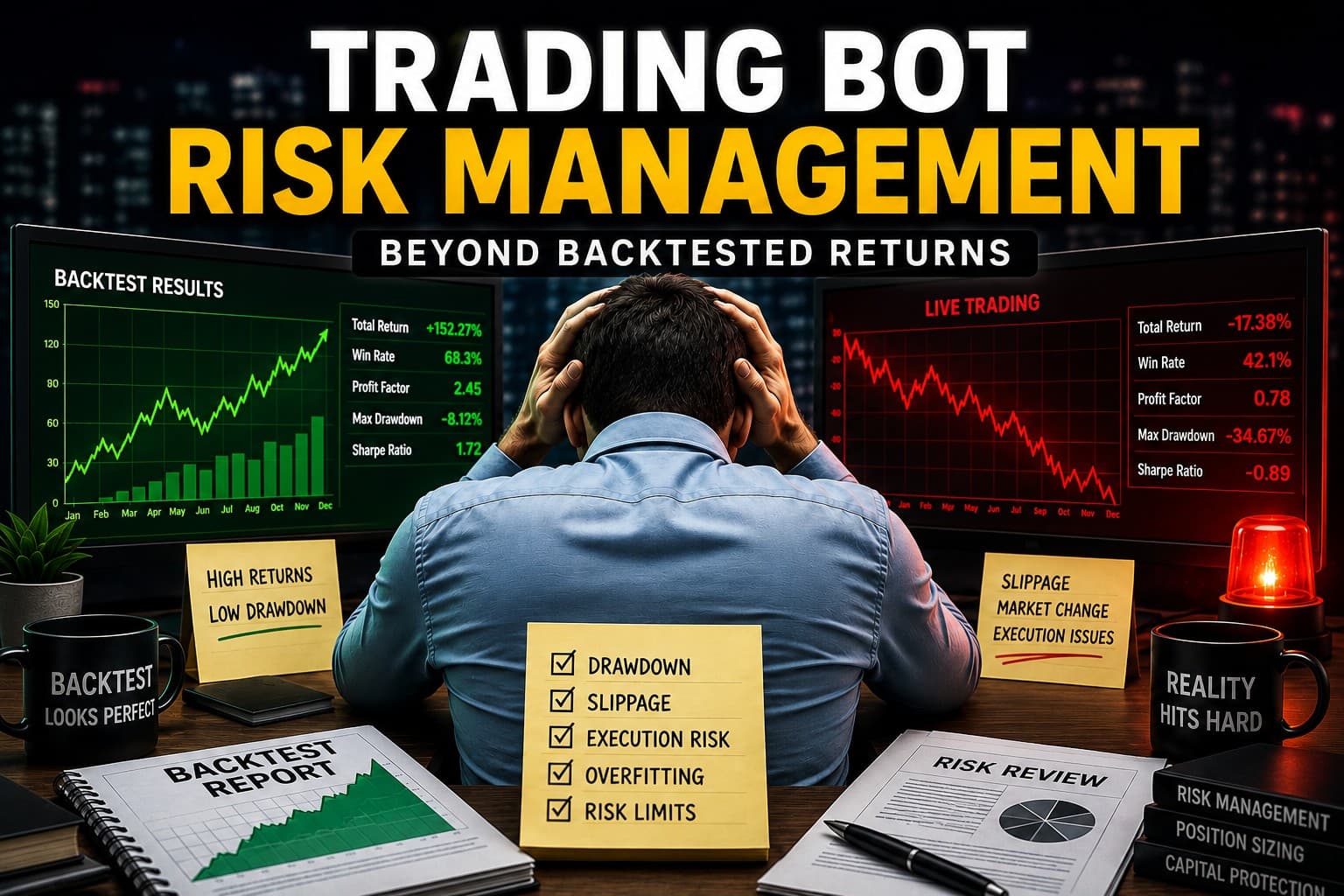
Backtested returns can create false confidence. Learn how to evaluate trading bot risk through drawdown, slippage, live execution, overfitting, and risk limits.
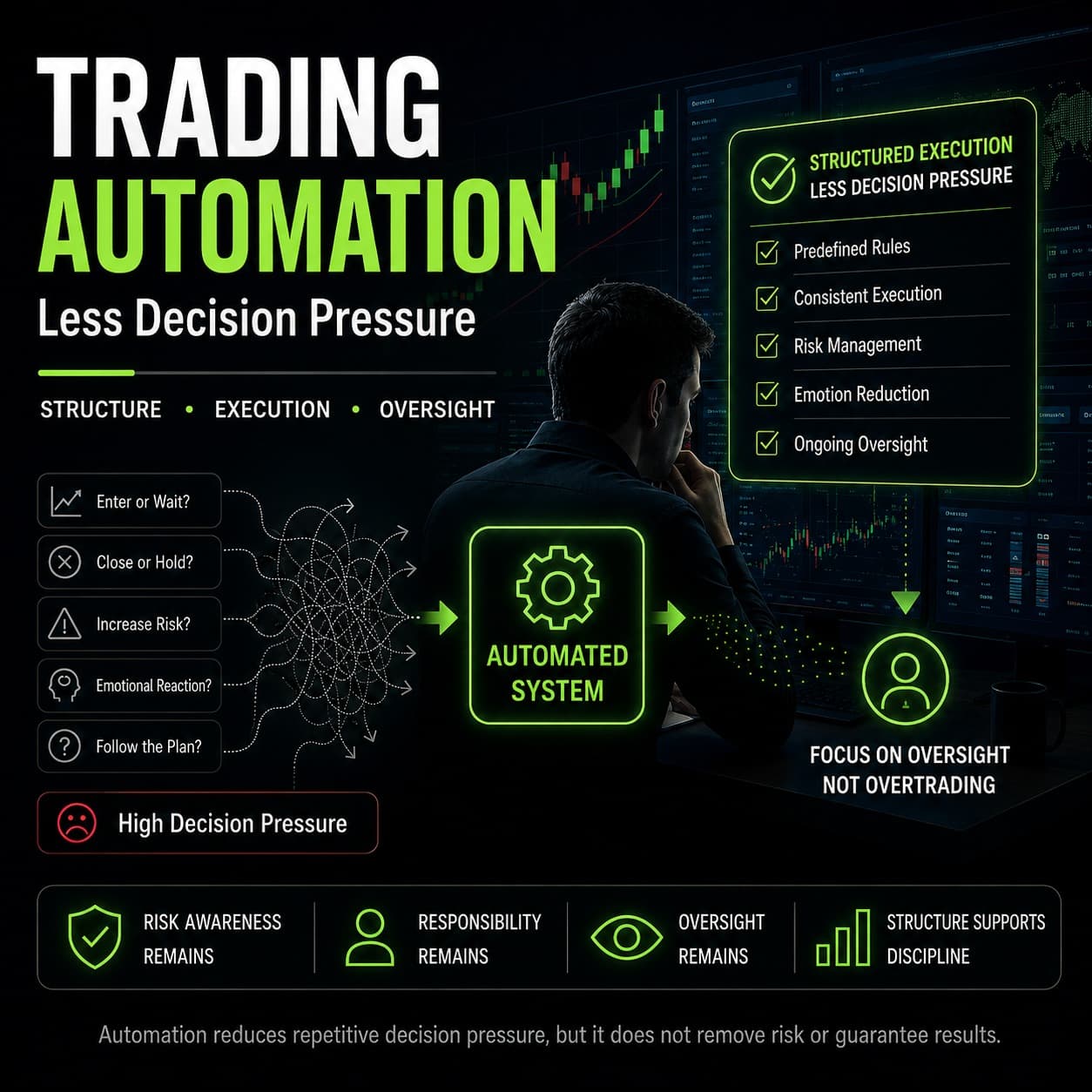
Trading automation can reduce repeated decision pressure by handling execution rules, limiting reactive choices, and supporting more structured participation without removing risk or responsibility.
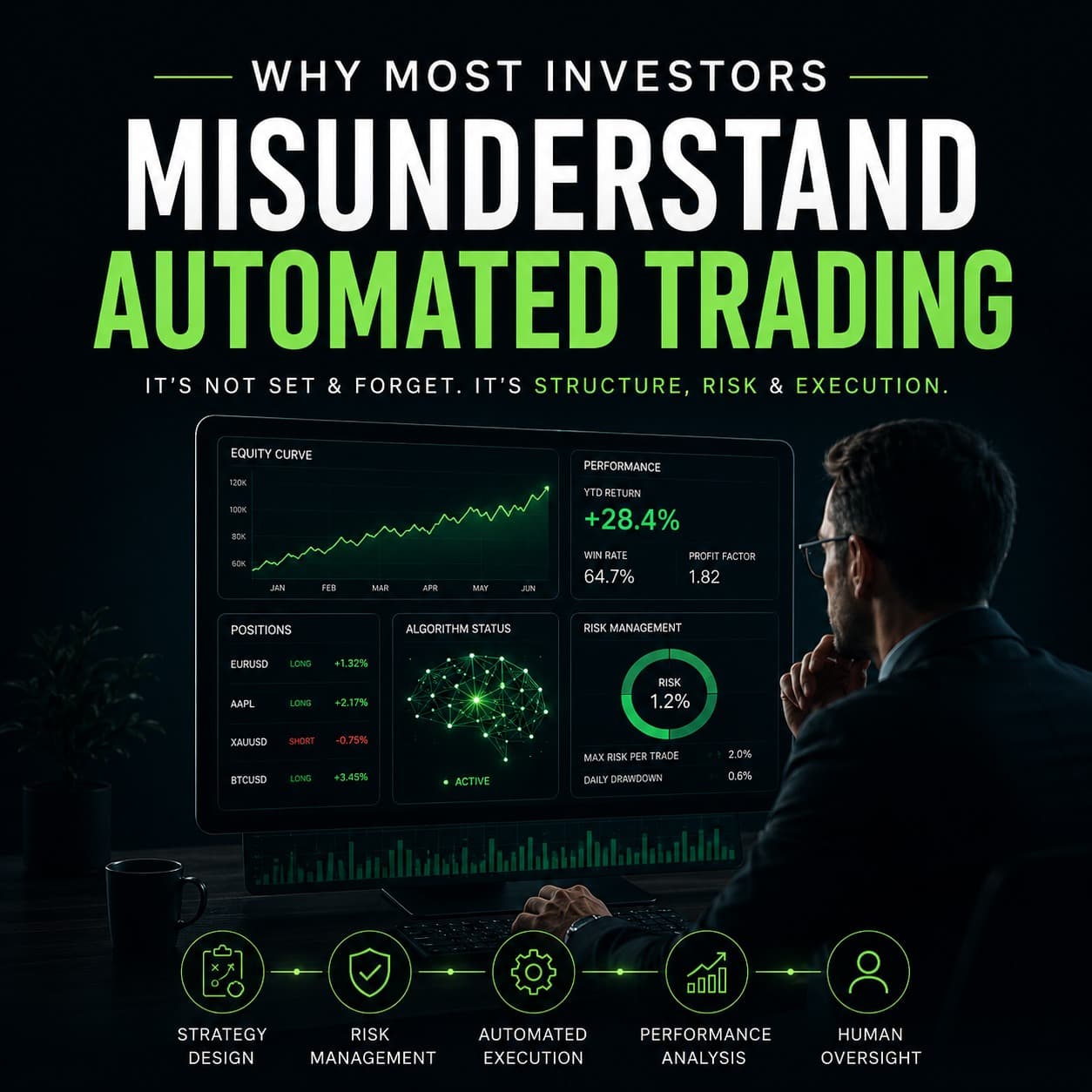
Automated trading is often misunderstood as passive investing. This article explains why automation still requires structure, risk awareness, and ongoing oversight in real markets.
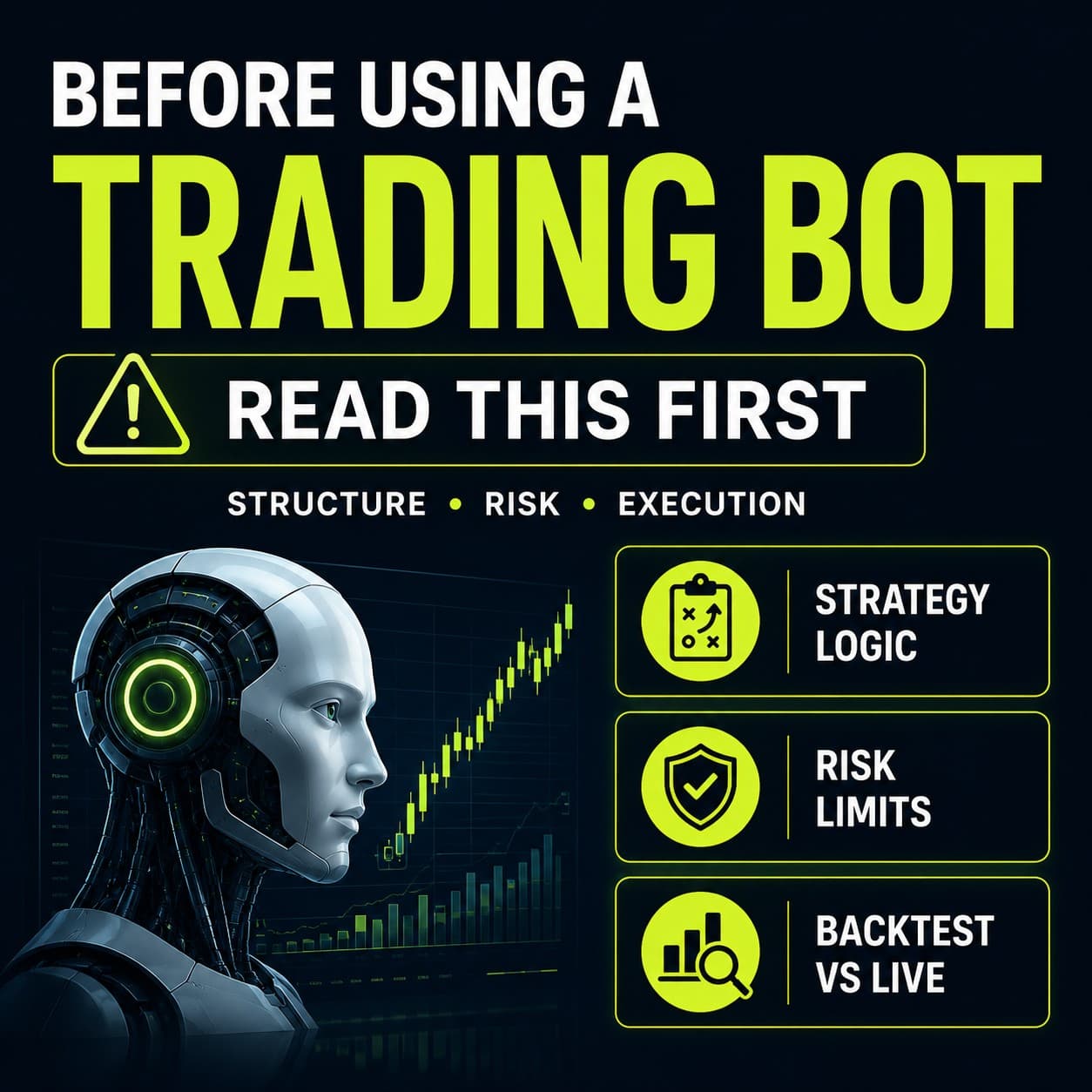
Before using a trading bot, users should evaluate structure, not returns. Learn what to check including strategy logic, risk limits, execution rules, live behavior, failure conditions, and common mistakes.
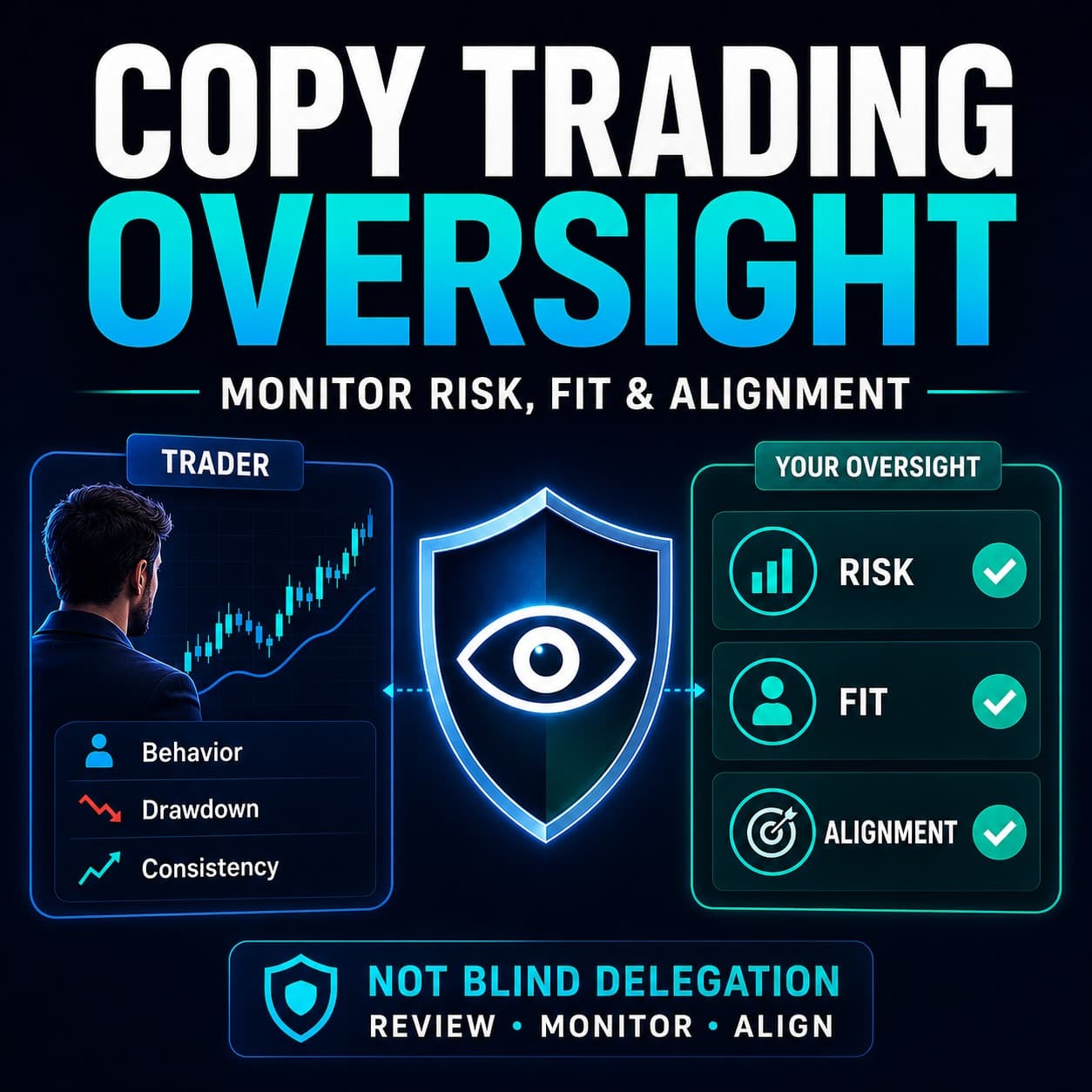
Copy trading can reduce execution burden, but it is not blind delegation. Learn why users should monitor trader fit, risk, behavior, and alignment over time.
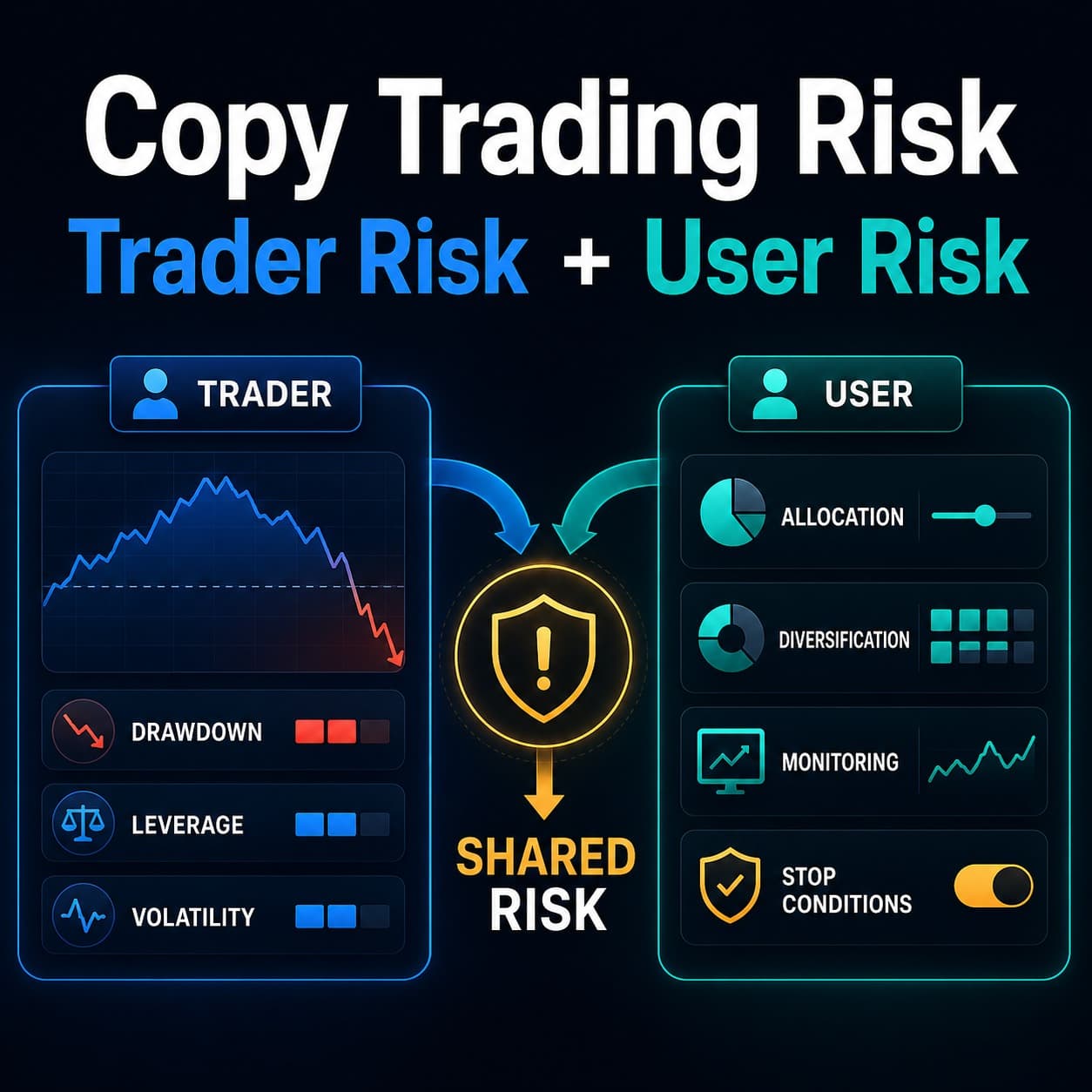
Copy trading risk is not only about the trader. Learn how allocation, drawdown tolerance, leverage, diversification, monitoring, and stop conditions shape risk.
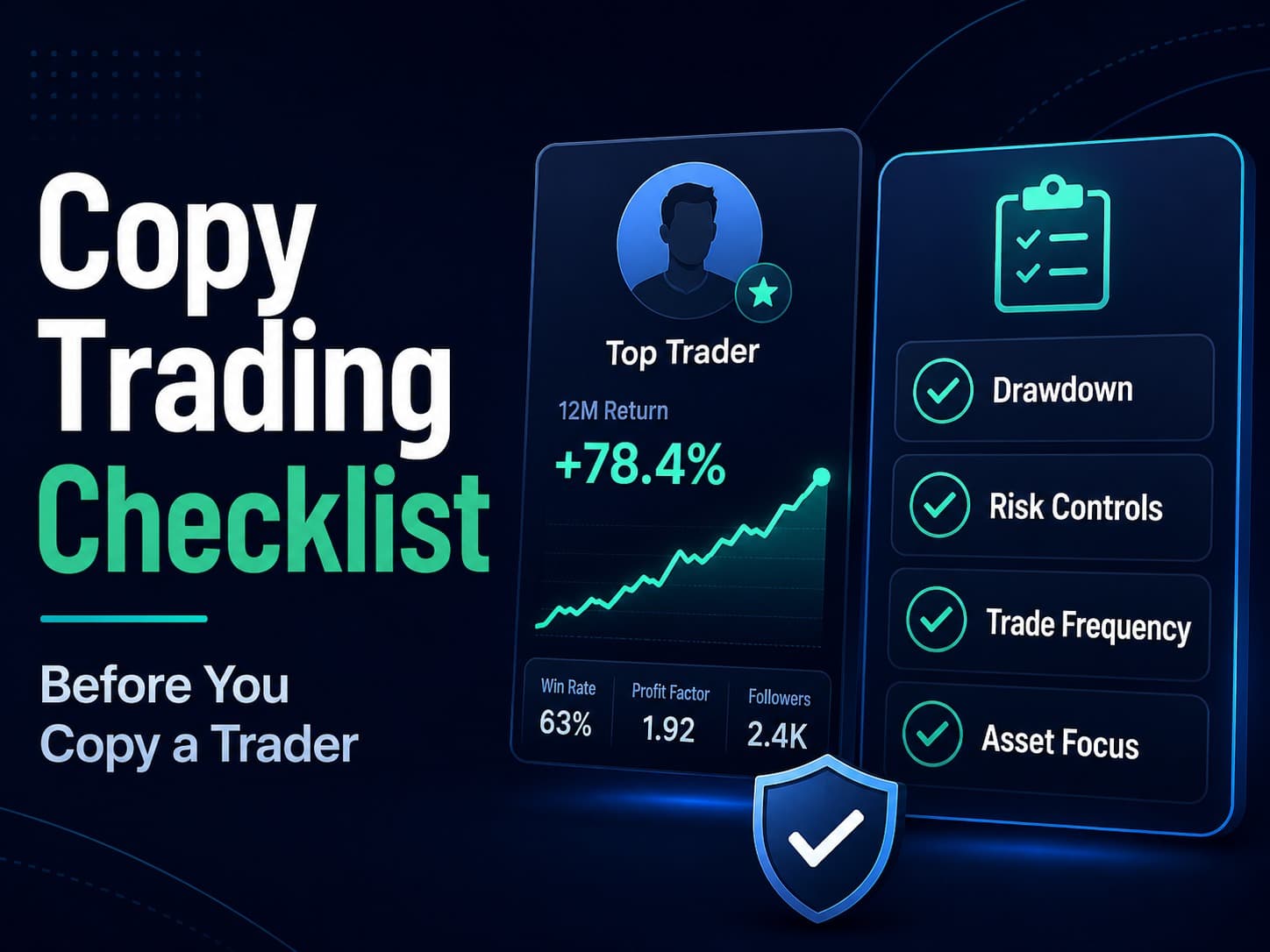
Use this copy trading checklist before copying a trader. Review trading style, drawdown, trade frequency, risk controls, asset focus, loss behavior, and fit.
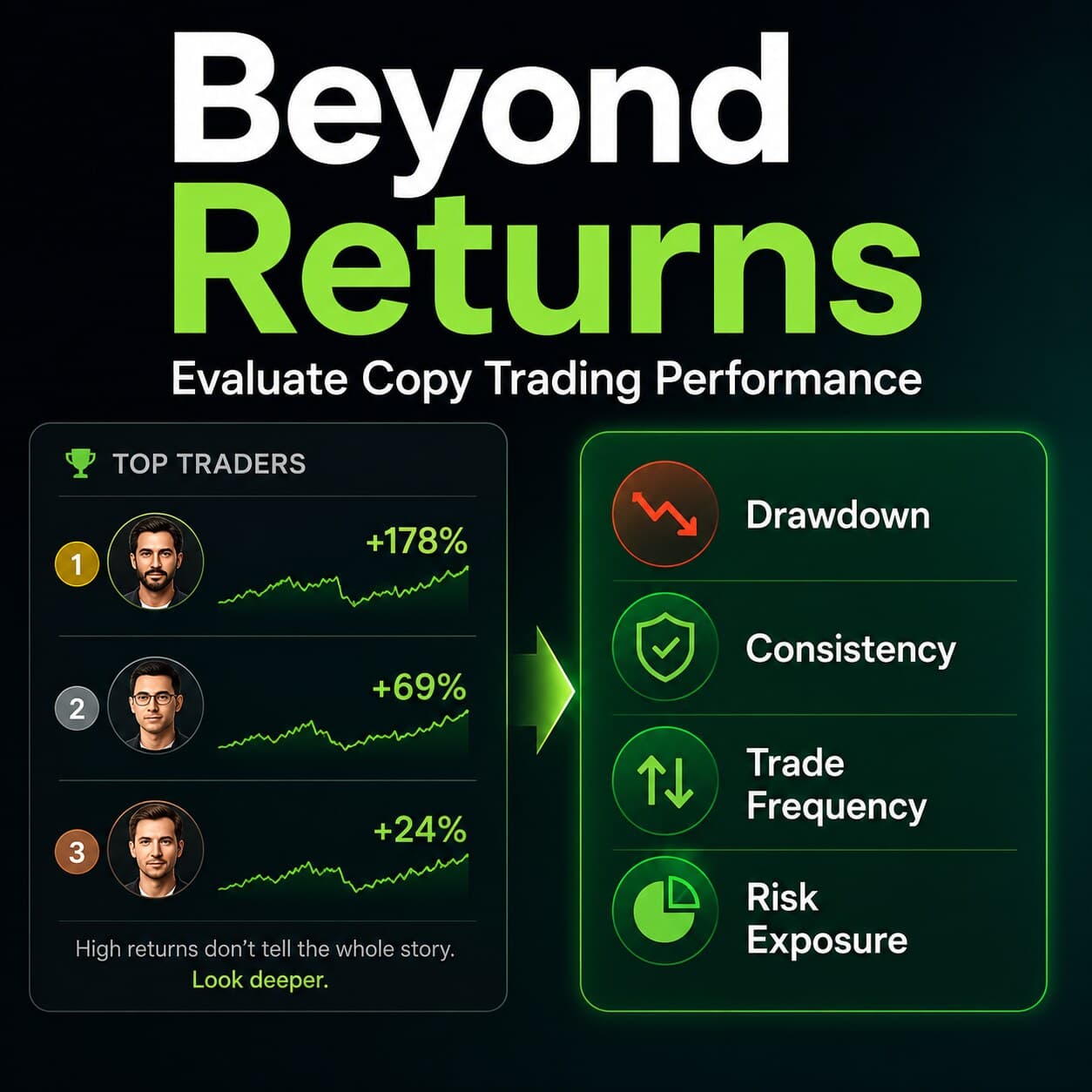
Copy trading performance is more than returns. Learn how to evaluate traders using drawdown, consistency, trade frequency, risk exposure, recovery behavior, and fit.

Structure-first investing helps investors evaluate how decisions, risk, information, responsibility, and involvement are structured before focusing on products, predictions, or returns.
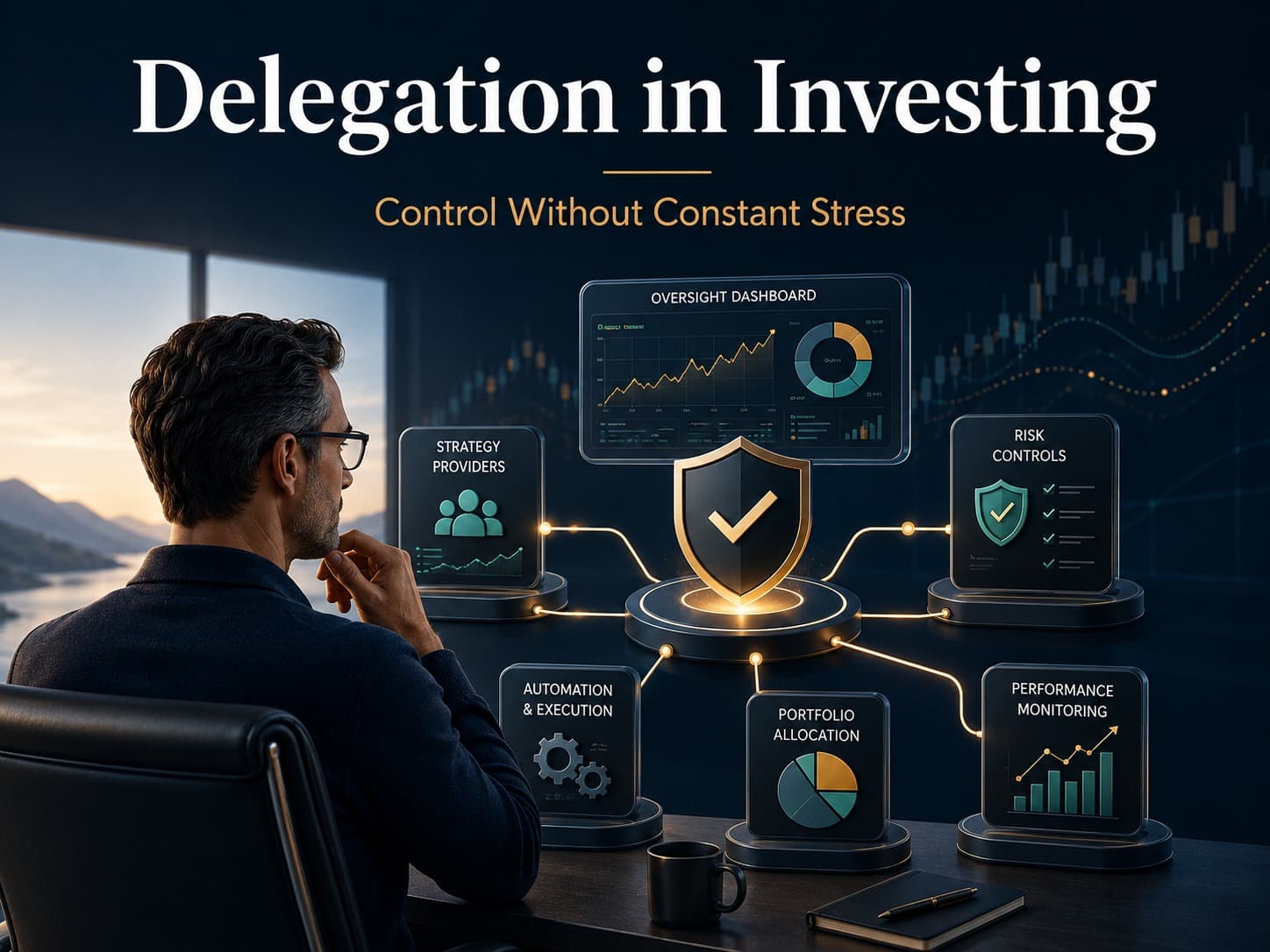
Delegation in investing can reduce constant involvement, but it also creates trust-related tension. Learn how control can be structured without carrying every decision personally.
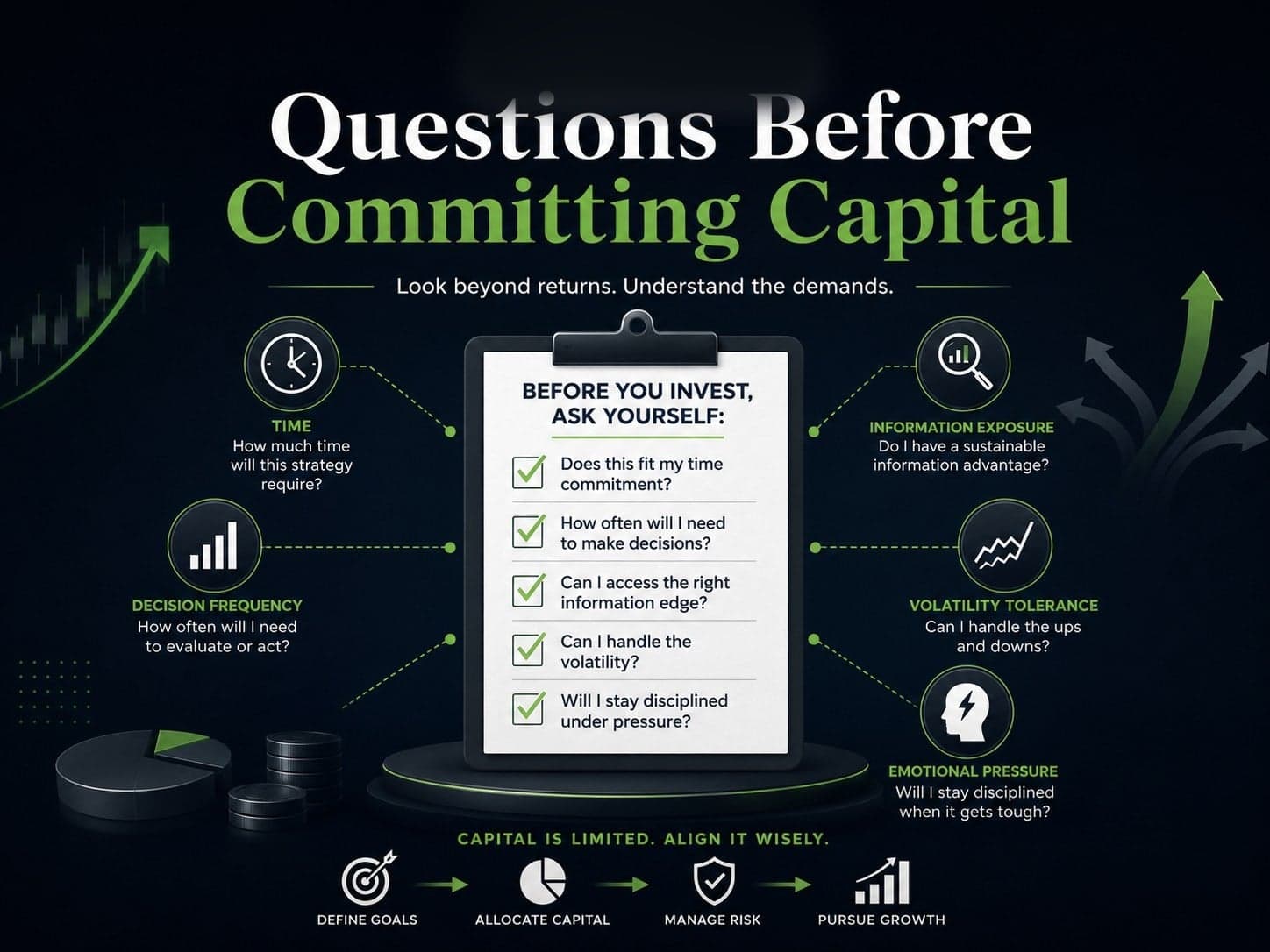
Before committing capital, investors should look beyond returns and ask what an investment structure may require in time, attention, decisions, volatility, and emotional endurance.

An investment may look reasonable on paper but still conflict with daily life. Learn how time, attention, and emotional capacity shape investment fit over time.

Active and passive investing are often compared by performance. This article reframes the debate around structure, decision frequency, monitoring burden, and behavioral demands over time.
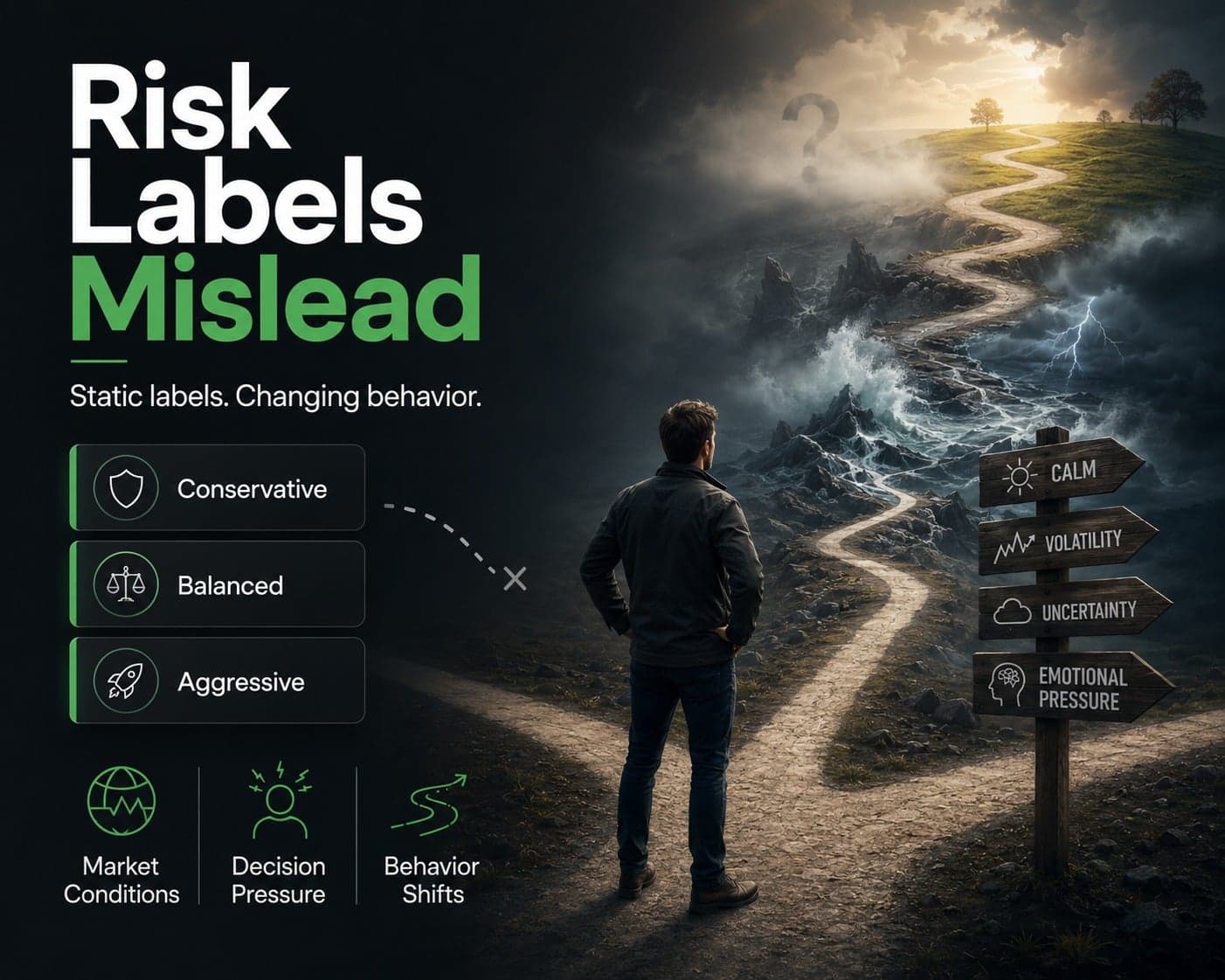
Risk profile labels can feel precise, but investor behavior often changes under real market conditions. Learn why static risk labels may fail to capture how risk is actually experienced over time.
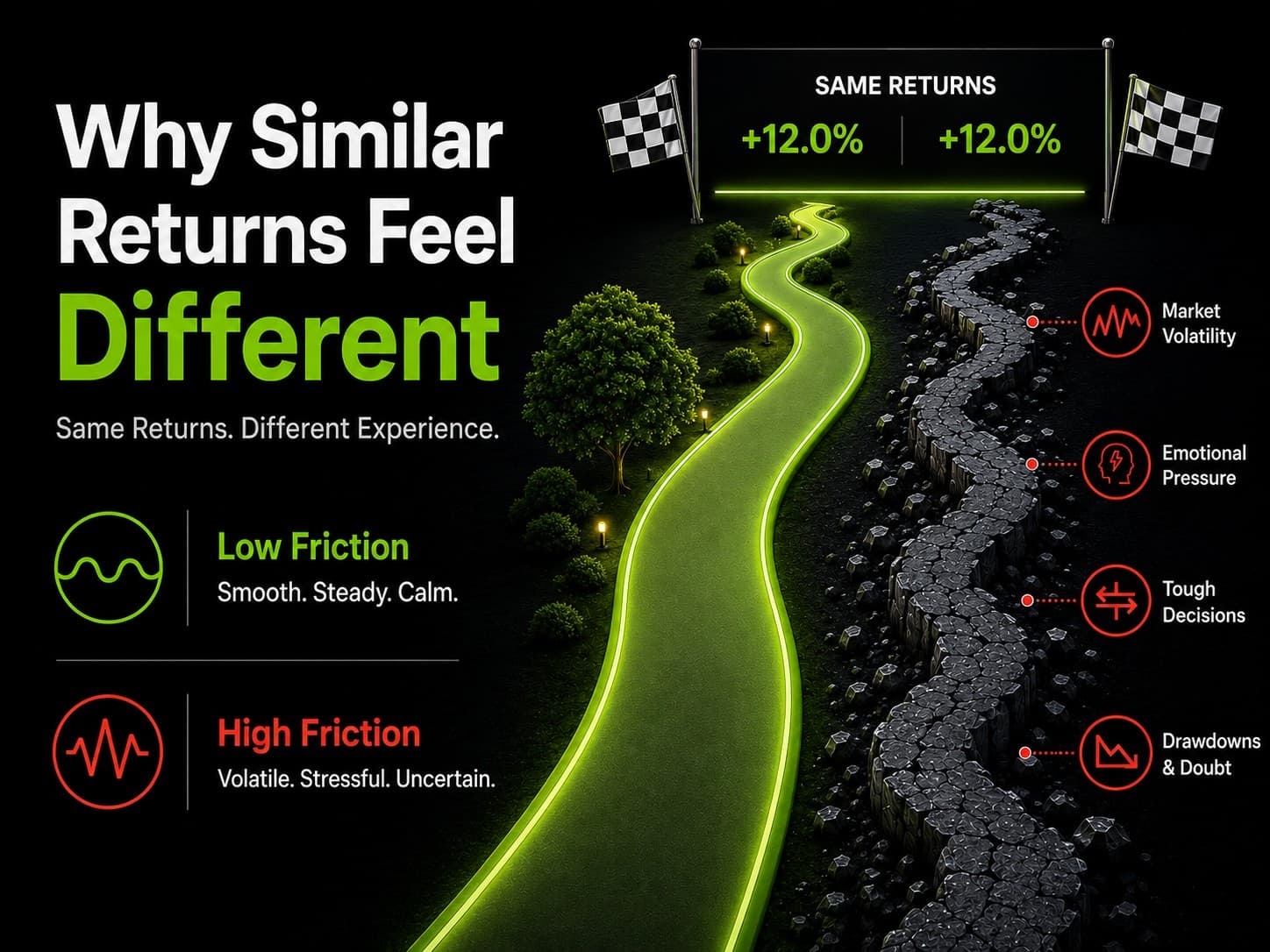
Why do similar investment returns feel completely different? Discover how structure, decision frequency, and information exposure shape the real investing experience beyond performance.

Discover why demo trading results can be misleading in forex. Learn how ideal conditions hide real risks like slippage, liquidity, and execution delays.
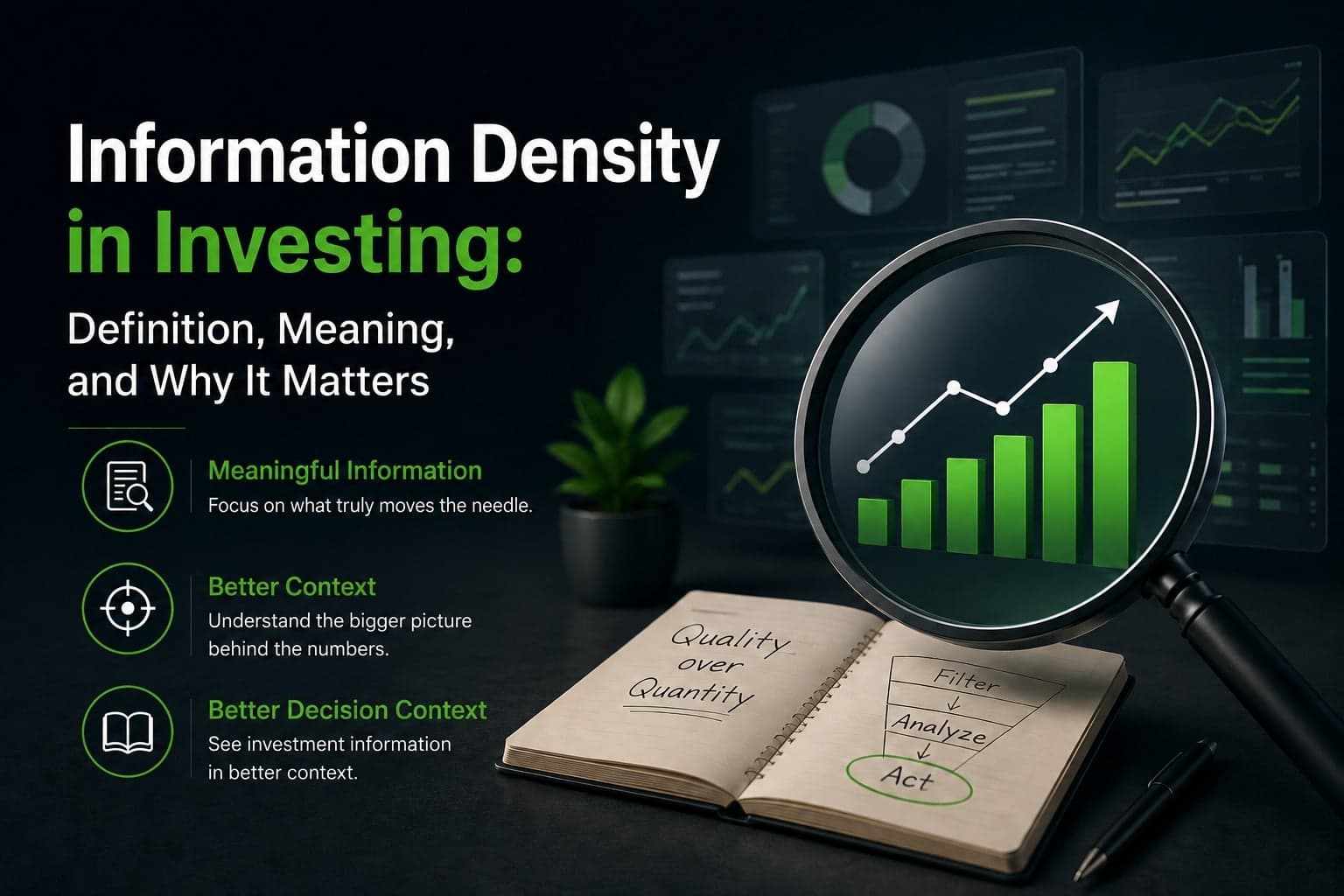
Information density in investing refers to how much market information an investor must process over time. Learn how it affects cognitive load, decision-making, and long-term behavioral consistency.
SmartT is quietly redefining how trades are executed with real-time risk control. While others stick to outdated Expert Advisors, a smarter approach is already taking over.
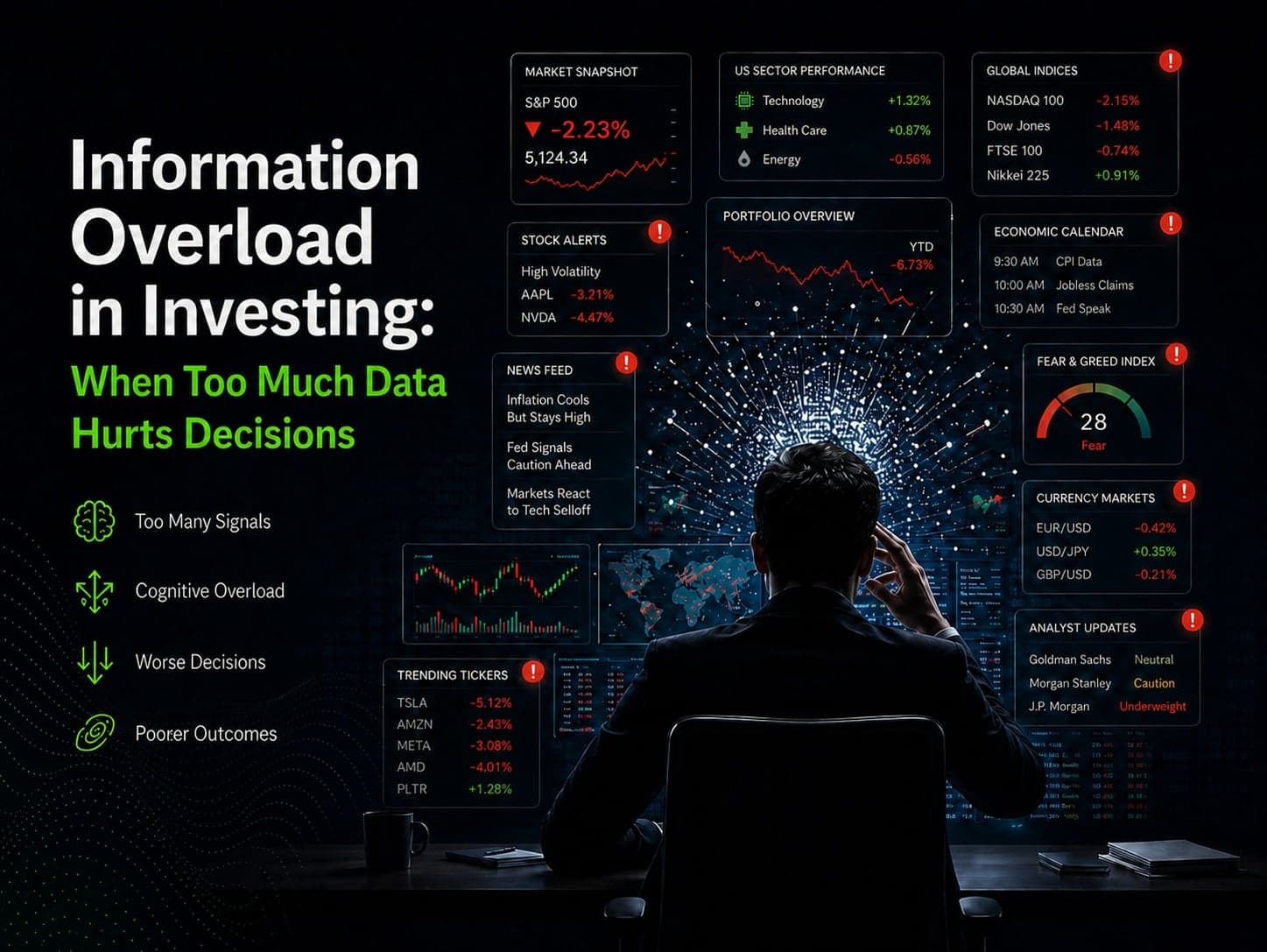
Too much information doesn’t always improve investing decisions. Learn how information overload in investing increases cognitive pressure, decision fatigue, and long-term mistakes.
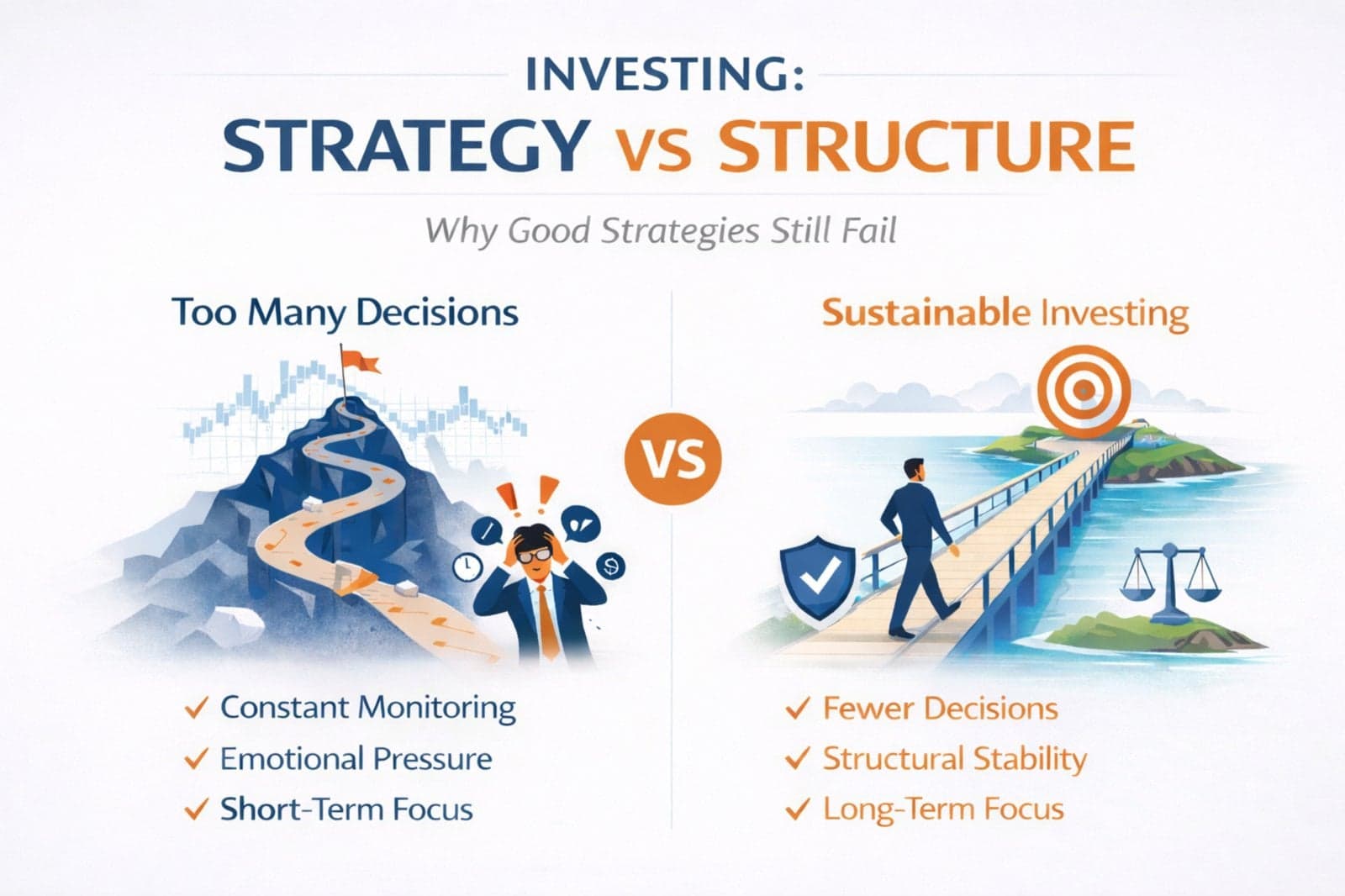
Most investment debates focus on strategy. Yet structure often determines how investors actually experience risk, pressure, and decision load. Explore the difference between investment structure and investment strategy.
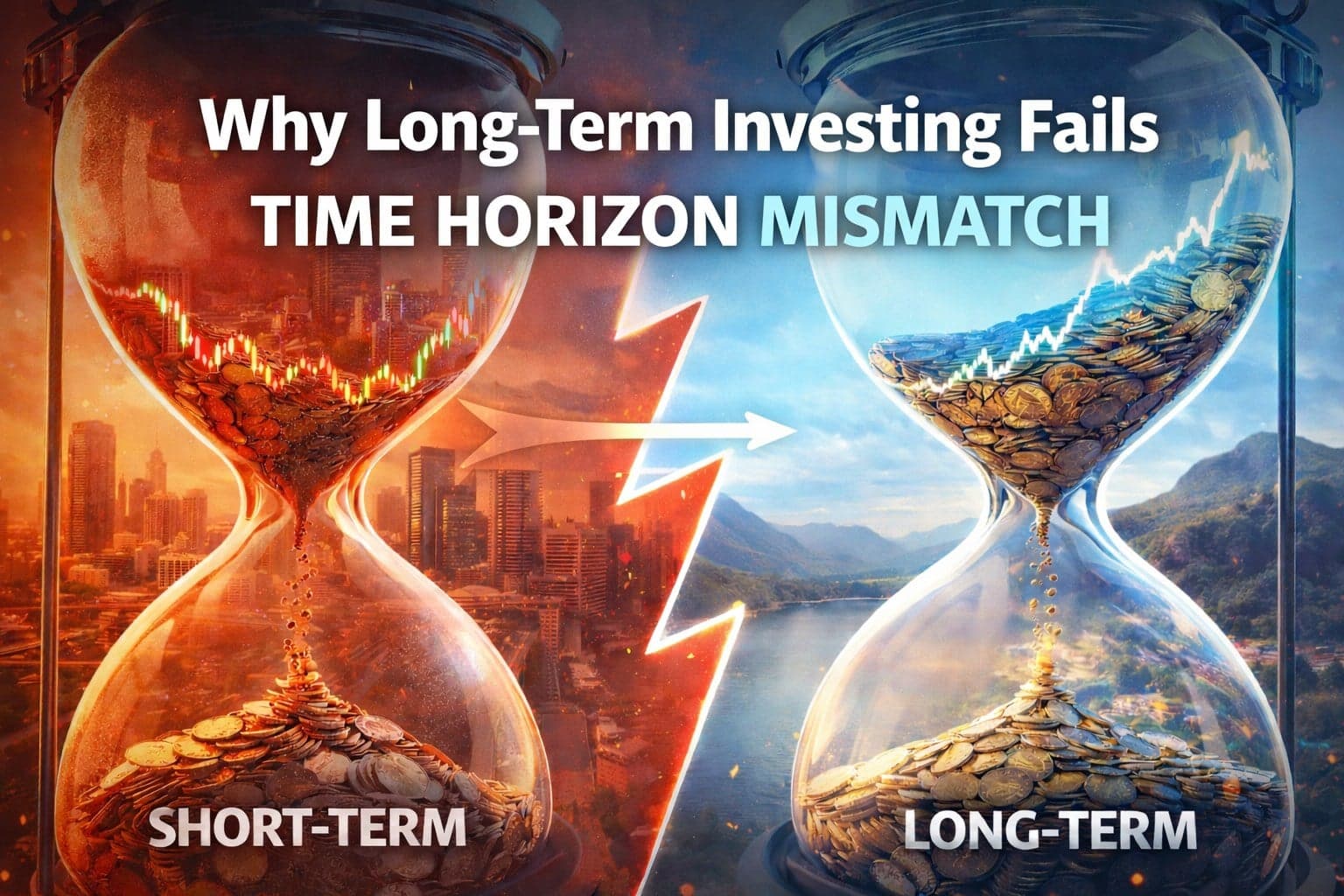
Long-term investing often breaks down inside short-term evaluation structures. Explore how Time Horizon Mismatch creates abandonment pressure - even when strategy logic remains sound.
Looking for the best MT5 Expert Advisor in 2026? Compare strategy types, risk control models, and what real traders prioritize before choosing your automation system.
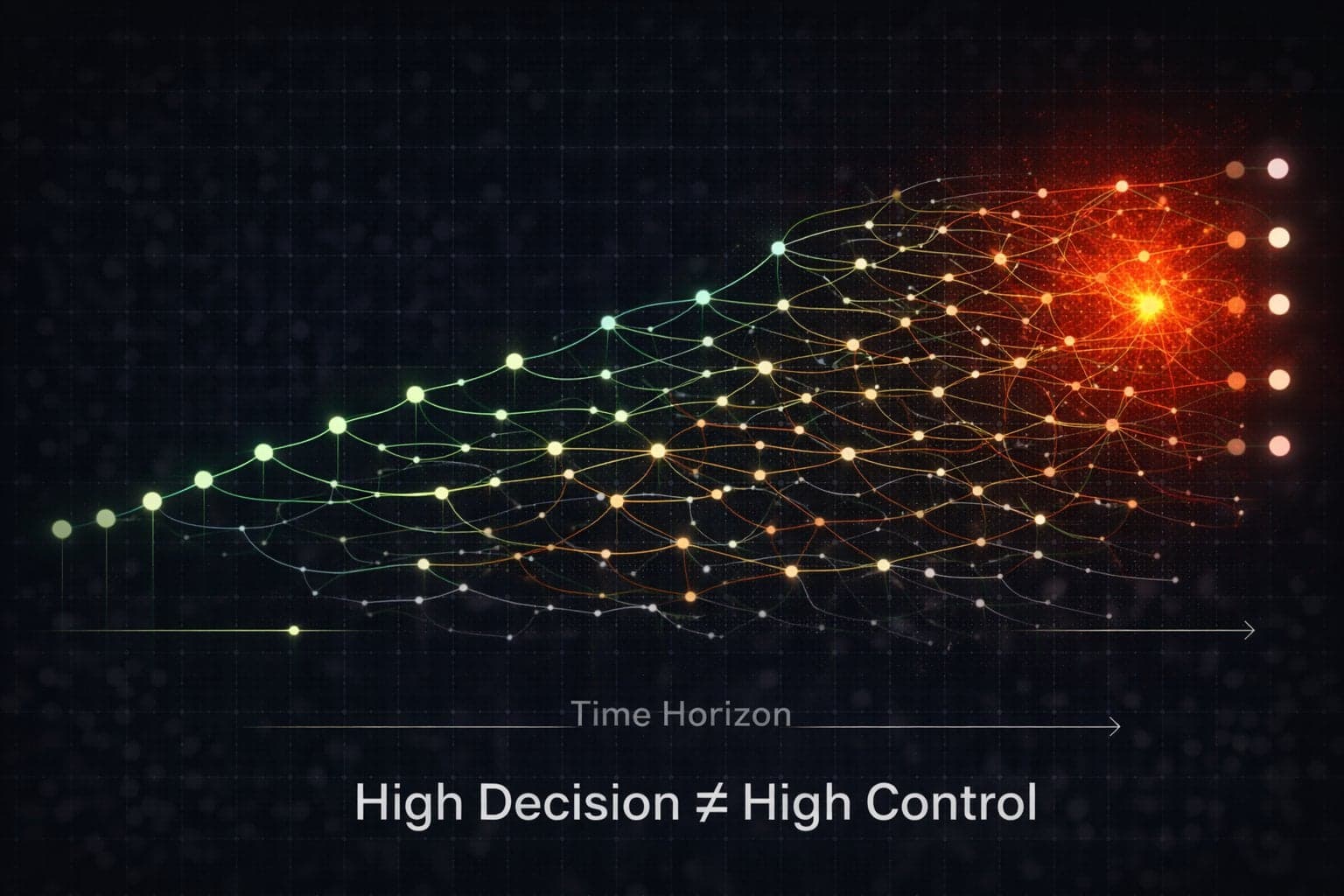
Discover how decision density - frequent discretionary inputs required by certain investment designs - can quietly undermine execution stability. Learn why more control doesn’t always mean more consistency in long-term outcomes.

Decision fatigue in investing is a structural behavioral risk that emerges when decision frequency exceeds cognitive capacity. Learn how repeated discretionary decisions increase cognitive load, widen the Endurance Gap, and lead investors to abandon sound strategies over time.
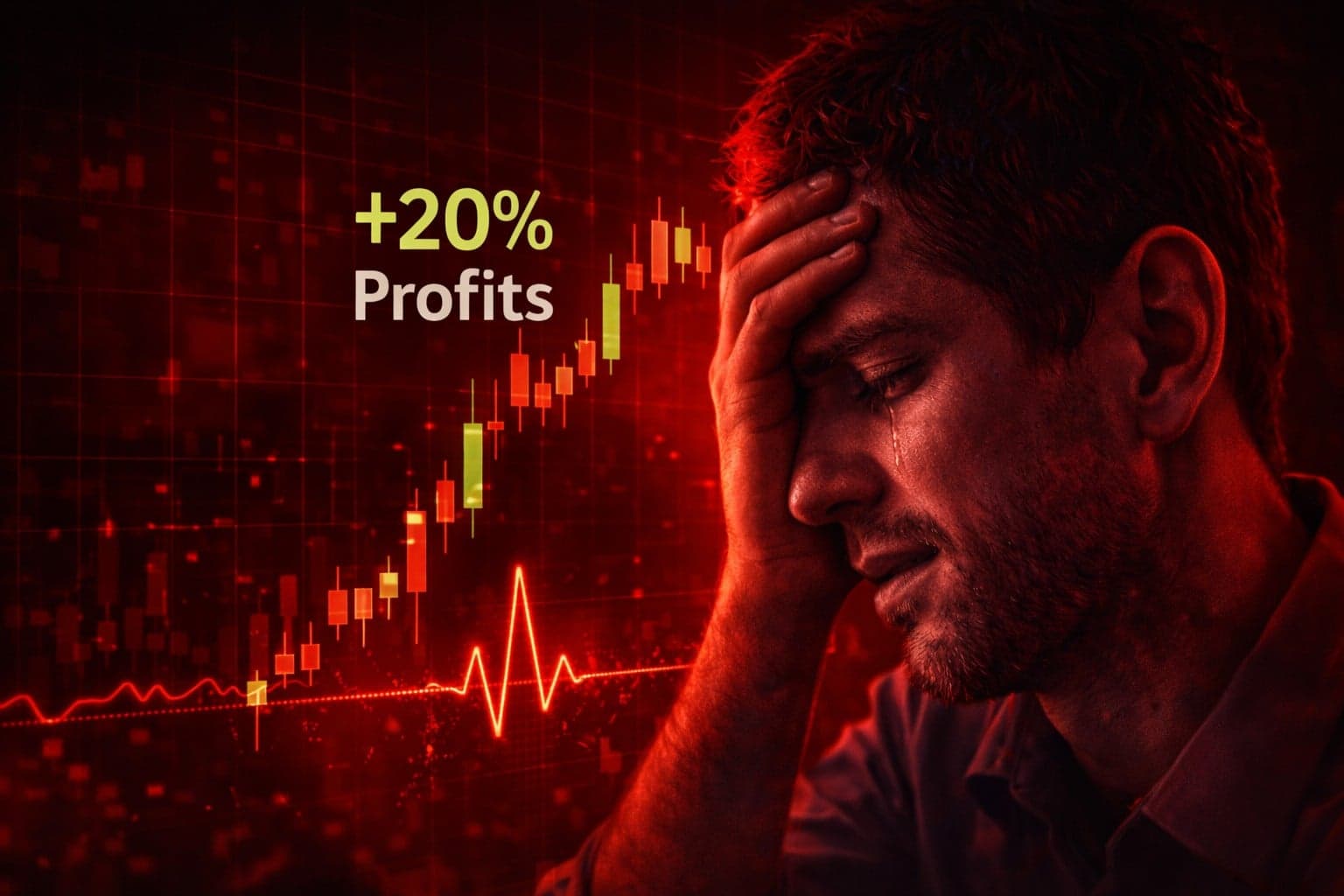
Volatility tests more than capital. It tests endurance. Discover why emotional tolerance often fades before logic does - and how structural exposure shapes investor behavior.
Why good investment strategies are often abandoned despite sound logic. A structural view of uncertainty, endurance, and real-world investing behavior.
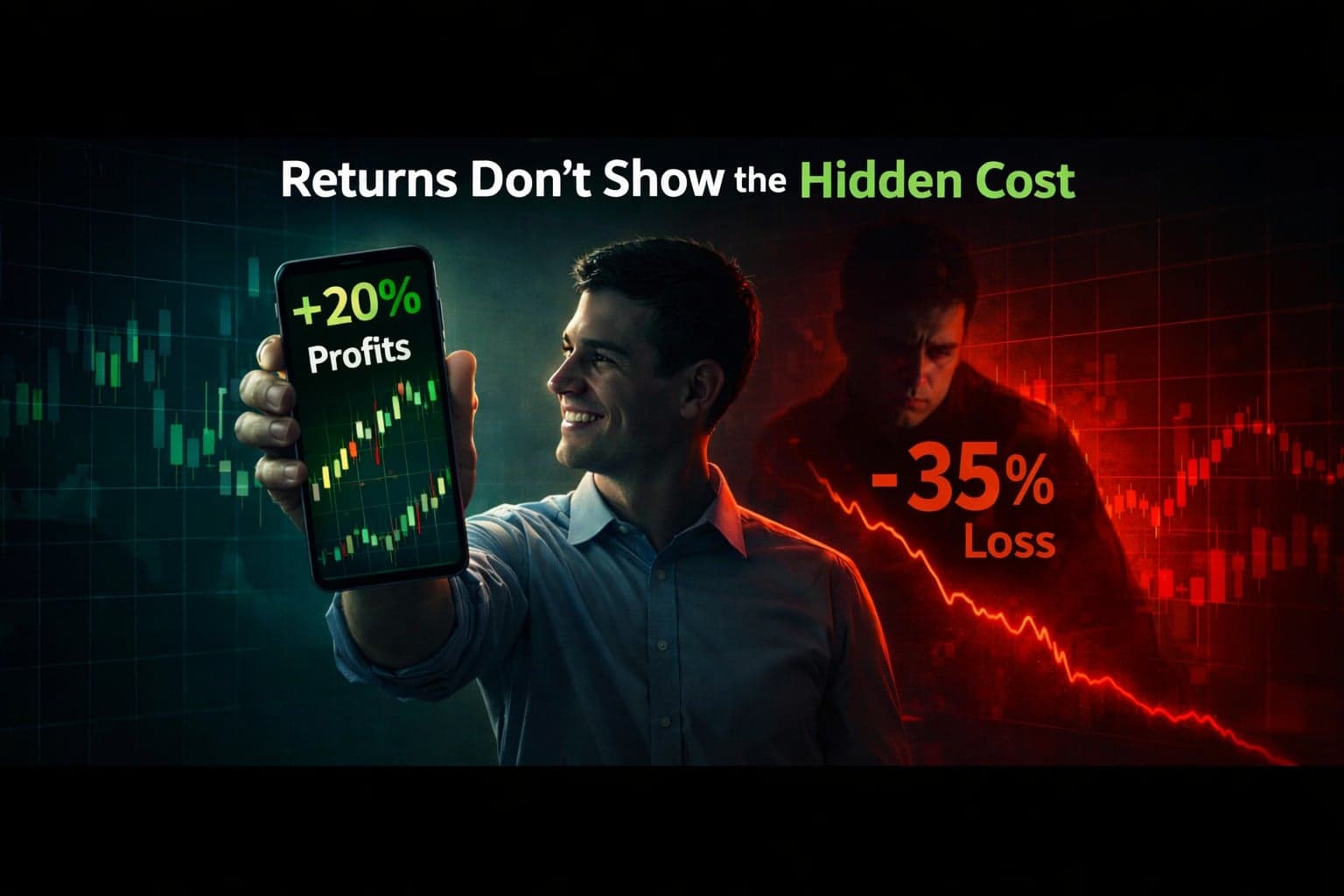
Most investors compare investments by returns alone - but returns don’t tell the full story. Learn how to compare investment options using a structured framework that considers risk, time, control, and real-life constraints.
Copy trading doesn’t guarantee identical execution. Slippage, spreads, and broker conditions can quietly impact performance over time. Learn why execution quality matters.